Video review — tap to play
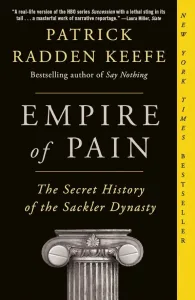
Empire of Pain: The Secret History of the Sackler Dynasty
Biographies and Memoirs, Leaders & Notable People, Rich & Famous
How did one of the world’s wealthiest families build its fortune—and what was the cost? *Empire of Pain* traces three generations of the Sackler family, from their early success in medicine and philanthropy to the rise of OxyContin and the devastating opioid crisis. Patrick Radden Keefe examines how the family and its company promoted the drug, influenced medical and regulatory institutions, and responded to growing scrutiny and legal challenges. Blending investigative reporting with a sweeping family history, the book explores wealth, power, reputation, and the consequences of pursuing profit at almost any cost.
- Release Date
- 2021
- Length
- 535 pages
- Publisher
- Doubleday
We may earn a commission if you buy through these links, at no extra cost to you.
Our Review
About the book
Patrick Radden Keefe’s investigative history follows three generations of the Sackler family, from the brothers who built fortunes in pharmaceutical marketing to the Purdue Pharma owners behind OxyContin. It traces how aggressive promotion of the painkiller fed the American opioid crisis, and how the family’s philanthropy and legal strategies shielded its name and wealth for decades.
Our review
A family saga, a corporate thriller and a moral reckoning, told with the pacing of a great novel and the receipts of a prosecutor.
Keefe structures the book as a three-act dynasty story, and the choice pays off. We start with Arthur Sackler reinventing drug advertising in the mid-century, then move to the next generation steering Purdue toward OxyContin, and finally to the activists, journalists and lawyers who tried to make the name mean something other than museum wings. The research is staggering, built on court documents and interviews, yet the narrative never feels like a filing cabinet. Every chapter ends with a pull to keep going.
What lingers is the restraint. Keefe rarely editorializes; he lets the internal emails, sales targets and depositions speak, which makes the cumulative effect far more damning. The book is long, and the first section on Arthur, while essential context, takes its time before the opioid story fully ignites. Readers wanting deeper coverage of patients and communities affected may also find them less central than the boardrooms. As an account of how money launders reputation, though, it is close to definitive.
What we loved
- Novelistic momentum backed by meticulous sourcing
- Clear explanation of how drug marketing actually works
- A powerful, understated moral argument
Keep in mind
- The opening generation’s story is slow before the main drama begins
- Focuses more on the family than on the people harmed
Read it if you like
Bad Blood by John Carreyrou, Dopesick by Beth Macy, fans of long-form investigative journalism
The verdict
One of the essential nonfiction books of its decade: propulsive, rigorous and quietly furious about how power escapes accountability.