 Video
Video
David Goggins
Advice and How-To
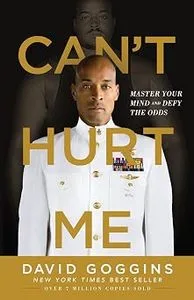
What if you’re capable of far more than you believe? In Can’t Hurt Me, David Goggins recounts his journey from a painful childhood marked by poverty and abuse to becoming a highly accomplished military figure and endurance athlete. Along the way, he reveals how self-discipline, mental toughness, and relentless effort helped him break through physical and mental limits. At the heart of his story is the 40% Rule—the idea that most people use only a fraction of their potential—and a challenge to confront fear, embrace discomfort, and discover what lies beyond your perceived limits.
Contact us for a free copy
 Video
Video
Business
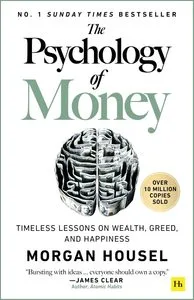
Money isn’t just about numbers—it’s about behavior, emotions, and the stories we tell ourselves. In The Psychology of Money, Morgan Housel explores the often surprising ways people think about wealth, investing, and financial decisions through 19 short, thought-provoking stories. Rather than treating money as a purely mathematical subject, Housel examines how personal experiences, ego, incentives, and our unique view of the world shape the choices we make. The result is a compelling look at why understanding ourselves may be just as important as understanding money.
Contact us for a free copy
 Video
Video
James Clear
Advice and How-To, General Nonfiction
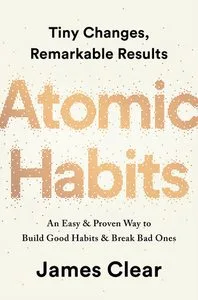
Small changes can create remarkable results. Atomic Habits offers a practical framework for building better habits, breaking bad ones, and turning tiny daily behaviors into lasting progress. Drawing on ideas from biology, psychology, and neuroscience, James Clear explains why lasting change depends less on motivation and more on the systems around you. From designing your environment to getting back on track after setbacks, this guide shows how small, consistent actions can reshape the way you approach goals, progress, and success.
Contact us for a free copy
 Video
Video
Daniel Kahneman
Business
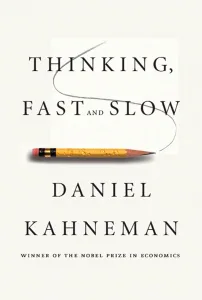
System 1 is fast, intuitive, and emotional; System 2 is slower, more deliberative, and more logical. The impact of overconfidence on corporate strategies, the difficulties of predicting what will make us happy in the future, the profound effect of cognitive biases on everything from playing the stock market to planning our next vacation—each of these can be understood only by knowing how the two systems shape our judgments and decisions.
Engaging the reader in a lively conversation about how we think, Kahneman reveals where we can and cannot trust our intuitions and how we can tap into the benefits of slow thinking. He offers practical and enlightening insights into how choices are made in both our business and our personal lives—and how we can use different techniques to guard against the mental glitches that often get us into trouble. Topping bestseller lists for almost ten years, Thinking, Fast and Slow is a contemporary classic, an essential book that has changed the lives of millions of readers.
Contact us for a free copy