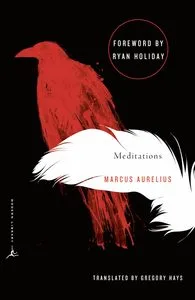
The private notebooks of the Roman emperor Marcus Aurelius, written in the second century as reminders to himself on duty, mortality, self-control and acceptance, here rendered in contemporary English by Gregory Hays. The Modern Library edition includes an introduction to Marcus's life and Stoic philosophy along with notes.
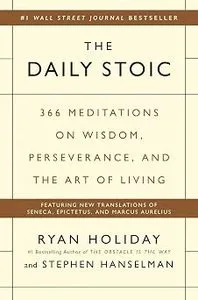
What can ancient wisdom teach us about living with greater calm, resilience, and self-control today? *The Daily Stoic* offers 366 days of insights and practical exercises inspired by the teachings of Stoic philosophers such as Marcus Aurelius, Seneca, Epictetus, Zeno, Cleanthes, and Musonius Rufus. Each day combines a powerful quotation with historical context, thoughtful commentary, and practical guidance for applying Stoic principles to everyday life. Designed to be revisited throughout the year and beyond, the book encourages greater self-awareness, emotional resilience, and clarity in facing life’s challenges.
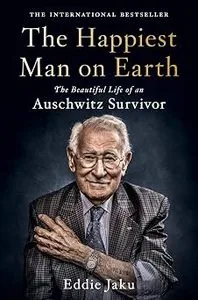
What does it take to hold on to hope when everything has been taken away? In *The Happiest Man on Earth*, Eddie Jaku recounts his extraordinary journey as a Jewish teenager who survived the horrors of Nazi persecution, Buchenwald, Auschwitz, and a forced death march during World War II. Despite unimaginable loss, Eddie chose to build his life around gratitude, kindness, friendship, and hope. Told with warmth and honesty, his memoir reflects on the experiences that shaped his outlook and offers timeless lessons about resilience, forgiveness, and finding beauty in life after profound suffering.
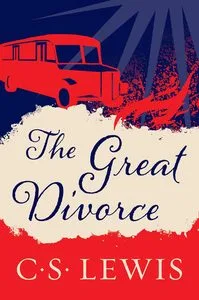
In The Great Divorce, C.S. Lewis again employs his formidable talent for fable and allegory. The writer finds himself in Hell boarding a bus bound for Heaven. The amazing opportunity is that anyone who wants to stay in Heaven, can. This is a starting point for an extraordinary meditation upon good and evil, grace and judgment. Lewis’s revolutionary idea is the discovery that the gates of Hell are locked from the inside. Using his extraordinary descriptive powers, Lewis’s The Great Divorce will change the way we think about good and evil.