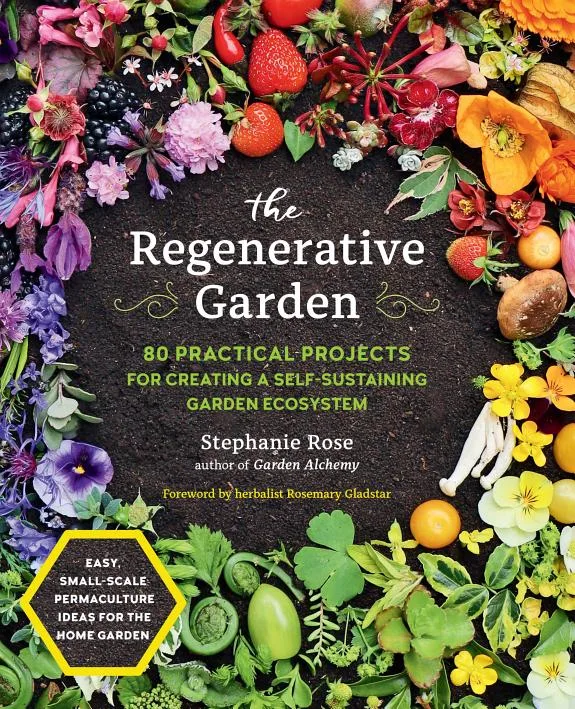
The Regenerative Garden: 80 Practical Projects for Creating a Self-sustaining Garden Ecosystem
Discover how to work with nature, instead of against it, by employing permaculture techniques to create a garden that is not just more beautiful and productive, but also more resilient. While the word permaculture might sound intimidating, the principals behind…
- Release Date
- 2022
- Length
- 178 pages
- Publisher
- Cool Springs Press
We may earn a commission if you buy through these links, at no extra cost to you.
Our Review
Discover how to work with nature, instead of against it, by employing permaculture techniques to create a garden that is not just more beautiful and productive, but also more resilient. While the word permaculture might sound intimidating, the principals behind it are not. The main goal of permaculture is to turn your space into a functioning ecosystem that’s less reliant on external resources and better able to sustain itself through many seasons of growth and change as it resists pests, diseases, and climate extremes. Whatever the size of your space, from a tiny patio garden to a big backyard, and whether you grow food, flowers, shrubs, trees, or a combination of all, The Regenerative Garden is here to help you become a better, more eco-conscious gardener. Through 80 DIY projects, author Stephanie Rose of the popular website Garden Therapy introduces you to basic backyard permaculture concepts in an easy-to-follow, logical way. Each of the six chapters represents a living element of the garden, capable of playing a valuable role in its constant regeneration, including soil, water, plants, climate, ethics, and community. As you check these projects off your to-do list, you’ll find you’ve reduced your long-term work load, conserved water and other resources, turned your yard into a habitat for wildlife, and learned to grow perennial foods in creative ways. The 80 featured projects include step-by-step instructions on how to: Employ intensive planting to reduce weeding and watering chores Use living mulches to amend the soil Build self-watering planters and wicking beds to reduce water use Install a rain garden to catch runoff Plant a wildlife hedge to support creatures and create a windbreak and noise buffer Compost projects and systems to repurpose waste on-site Make a butterfly migration station to support pollinators of all sorts A healthy, organic, regenerative garden is a perfect example of a self-sustaining ecosystem; everything works in tandem, is intricately connected, and comes full circle to create its own never-ending cycle of life.