Video review — tap to play
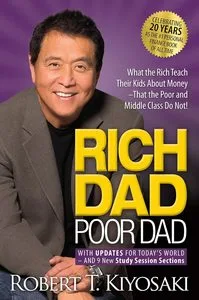
Rich Dad Poor Dad: What the Rich Teach Their Kids About Money That the Poor and Middle Class Do Not!
April 2017 marks 20 years since Robert Kiyosaki's Rich Dad Poor Dad first made waves in the Personal Finance arena. It has since become the #1 Personal Finance book of all time... translated into dozens of languages and sold around…
- Release Date
- 2017
- Length
- 336 pages
We may earn a commission if you buy through these links, at no extra cost to you.
Our Review
About the book
Robert Kiyosaki contrasts the money lessons of his highly educated but financially struggling father with those of a friend’s entrepreneurial father. The book promotes financial literacy, acquiring income-producing assets and thinking like an investor rather than an employee.
Our review
Kiyosaki delivers a motivational jolt with a memorable premise, undermined by fuzzy facts and advice that ages poorly.
Kiyosaki’s lasting contribution is a mindset shift, and we will give him that. The distinction between assets that put money in your pocket and liabilities that take it out is explained so plainly that many readers never forget it, and the book has nudged millions to think about ownership instead of only wages. The two-fathers structure is a sticky storytelling device, and the prose moves fast enough that it rarely drags.
Beyond the mindset, the book is shaky ground. The existence of the rich dad has been questioned, the investing anecdotes are vague, and some strategies flirt with real risk while sneering at formal education and steady saving. Readers get inspiration but almost no method, and the dismissive treatment of a home as a liability oversimplifies. Take it as a spark for curiosity, then turn to more careful writers for the actual plan.
What we loved
- Clear, memorable explanation of assets versus liabilities
- Encourages readers to think beyond a paycheck
- Fast, conversational and easy to finish
Keep in mind
- Doubts about the truth of its central story
- Vague, sometimes risky advice with little practical method
Read it if you like
Readers who might follow up with The Millionaire Next Door or The Psychology of Money for steadier guidance.
The verdict
Good for a jolt of motivation, poor as a financial blueprint; read critically and move on.