Video review — tap to play
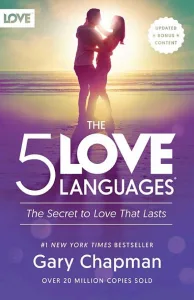
The 5 Love Languages®: The Secret to Love that Lasts
Christian Books & Bibles, Christian Living, Family
What if the way you express love isn’t the way the people you care about best receive it? In *The 5 Love Languages*, Dr. Gary Chapman explores five common ways people experience love: Words of Affirmation, Quality Time, Receiving Gifts, Acts of Service, and Physical Touch. Drawing on years of counseling experience, Chapman explains how recognizing these differences can improve communication, reduce misunderstandings, and strengthen emotional connection. With relatable examples and practical insights, the book offers a simple framework for understanding your own needs and showing love in ways that feel meaningful to others.
- Release Date
- 1992
- Length
- 208 pages
- Publisher
- Northfield Publishing
We may earn a commission if you buy through these links, at no extra cost to you.
Our Review
About the book
Marriage counselor Gary Chapman proposes that people give and receive love primarily through five languages: words of affirmation, quality time, receiving gifts, acts of service and physical touch. He argues that relationships improve when partners learn and speak each other’s primary language.
Our review
The framework everyone references at dinner parties, and a genuinely useful nudge toward noticing what your partner needs.
Chapman’s idea is simple enough to remember after one conversation: people feel loved in different ways, and couples often express love in their own language rather than their partner’s. His case studies from counseling show how a spouse can work hard and still leave the other feeling neglected. The quiz and practical suggestions make it easy for couples to start talking, which is perhaps the book’s greatest strength.
The weaknesses are well known. The five categories lack strong empirical backing, the original framing is rooted in a fairly traditional Christian view of marriage, and the advice can feel thin for couples facing deeper problems. Some readers also use the framework to demand rather than give. But as a conversation starter and a reminder to pay attention, it continues to help many relationships for good reason.
What we loved
- A memorable, intuitive framework
- Easy to use as a couples’ conversation starter
- Practical, specific ideas for each language
Keep in mind
- Limited scientific support for the five categories
- Too simplistic for relationships with serious conflict
Read it if you like
couples and newlyweds, readers of Attached, fans of Hold Me Tight
The verdict
Simple, sometimes oversimplified, but a genuinely helpful prompt to love people the way they actually feel it.