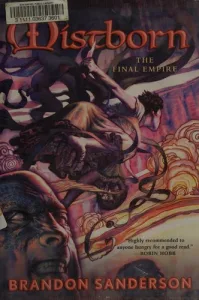
In a world of ash and endless twilight ruled for a thousand years by the immortal Lord Ruler, a street thief named Vin discovers she has rare magical abilities. She is recruited by the charismatic Kelsier into a crew planning an audacious heist to bring down the empire.
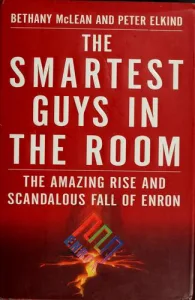
Fortune journalists Bethany McLean and Peter Elkind trace the rise and collapse of Enron, the energy company whose accounting fraud led to one of the largest bankruptcies in American history. The book examines its leaders, its culture and the banks, auditors and analysts who enabled it.
The second Kings of the Ice novel follows a woman who has a steamy night with hockey defenseman Jaxson Brittain, one of the players her brother asked to keep an eye on her. When they are thrown together again on a secret road trip, their promise to stay just friends becomes harder to keep.
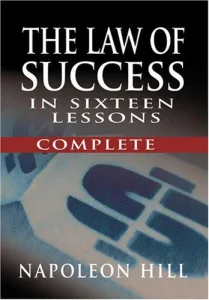
Originally published as a multi-volume course, Napoleon Hill's sprawling program lays out sixteen lessons on achievement, including a definite chief aim, self-confidence, initiative, enthusiasm and cooperation. It is the forerunner of his later Think and Grow Rich.
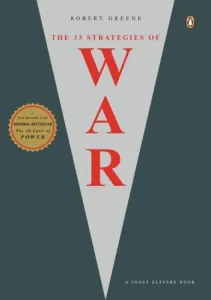
Robert Greene adapts principles of military strategy to everyday conflict, organizing thirty-three strategies into groups such as defensive, offensive and unconventional warfare. Each chapter draws on history, from ancient generals to modern politicians and filmmakers.
In this essay addressed to his friend Paulinus, the Stoic philosopher Seneca argues that life is not short but wasted, as people squander their time on busyness, ambition and the demands of others. He urges a deliberate life given to reflection and study.
Thus Spake Zarathustra is Friedrich Nietzsche’s groundbreaking and poetic masterpiece, offering a visionary exploration of human existence, morality, and the pursuit of greatness. This thought-provoking work challenges readers to rethink conventional beliefs and embrace the transformative power of self-overcoming.
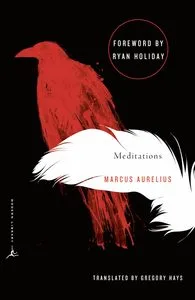
The private notebooks of the Roman emperor Marcus Aurelius, written in the second century as reminders to himself on duty, mortality, self-control and acceptance, here rendered in contemporary English by Gregory Hays. The Modern Library edition includes an introduction to Marcus's life and Stoic philosophy along with notes.
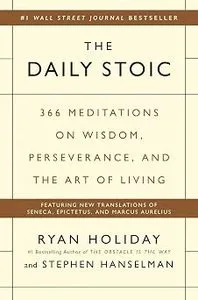
What can ancient wisdom teach us about living with greater calm, resilience, and self-control today? *The Daily Stoic* offers 366 days of insights and practical exercises inspired by the teachings of Stoic philosophers such as Marcus Aurelius, Seneca, Epictetus, Zeno, Cleanthes, and Musonius Rufus. Each day combines a powerful quotation with historical context, thoughtful commentary, and practical guidance for applying Stoic principles to everyday life. Designed to be revisited throughout the year and beyond, the book encourages greater self-awareness, emotional resilience, and clarity in facing life’s challenges.
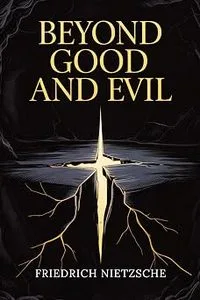
What if the values we accept as true are worth questioning? In *Beyond Good and Evil*, Friedrich Nietzsche challenges conventional ideas about morality, truth, virtue, and human behavior, urging readers to reconsider the assumptions underlying traditional philosophy. Through sharp aphorisms and provocative arguments, he examines the hidden motives behind moral beliefs and calls for a more independent way of thinking. At the heart of the book is the idea of the “free spirit”—someone willing to move beyond conformity, question inherited values, and confront the complexity of human existence with courage, creativity, and intellectual freedom.
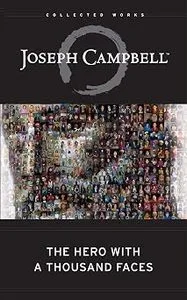
What if the stories we’ve told for thousands of years are all variations of the same journey? In *The Hero with a Thousand Faces*, Joseph Campbell explores the universal patterns found across the world’s myths, introducing the influential concept of the Hero’s Journey—a cycle of departure, transformation, and return that appears again and again in stories of adventure and discovery. Drawing on comparative mythology and psychology, Campbell also examines the mythic cycle of creation and destruction. Thought-provoking and deeply influential, this classic explores why humans tell stories and what those stories reveal about our shared search for meaning, identity, and transformation.
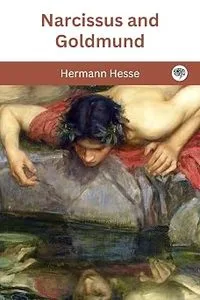
Two mediaeval men, one peacefully happy with his religion and monastery life and the other fervently seeking a more worldly salvation, are depicted in Hesse's novel. Hesse used this clash between the physical and spiritual worlds, between the emotional and reflective man, as a life study. It is a subject that is timeless. He has appealed to both an underground and an establishment, as well as to dissatisfied young people who share his disdain for our industrial civilization. The Hesse Phenomenon "has transformed into a vogue, the vogue into a flood." the book review in The New York Times