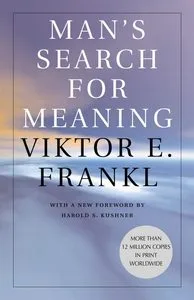
What remains when almost everything has been taken away? In Man’s Search for Meaning, psychiatrist Viktor Frankl recounts his experiences in Nazi concentration camps and reflects on how people endure suffering, loss, and uncertainty. Drawing from both his own experiences and his later work as a psychiatrist, Frankl introduces logotherapy—the idea that the search for personal meaning can become a central force in life. Rather than promising freedom from suffering, the book explores how finding purpose can shape the way we face hardship and move forward.
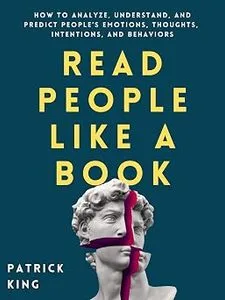
What can you learn about someone before they say a word? Read People Like a Book explores the psychology behind body language, facial expressions, habits, and everyday behavior to help readers better understand what drives people. Patrick King goes beyond simple “mind reading” techniques, emphasizing the role of context, personal experiences, and human nature in interpreting behavior. From recognizing subtle emotional signals and understanding motivation to improving emotional intelligence and building stronger connections, the book offers practical insights for becoming more observant of both others and yourself.
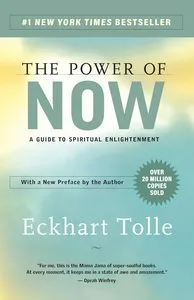
What if peace begins with simply learning to be present? In The Power of Now, Eckhart Tolle explores the relationship between the mind, emotional pain, and our experience of the present moment. Rather than getting lost in past regrets or future worries, Tolle invites readers to reconnect with a deeper sense of awareness and Being. Blending spiritual insight with practical guidance, the book takes readers on a journey toward greater presence, inner freedom, and self-understanding—encouraging a different way of experiencing both themselves and the world around them.
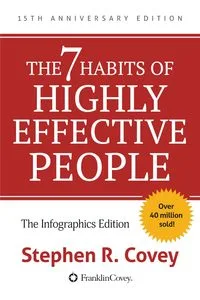
What does it take to become more effective—not just at work, but in every part of life? In The 7 Habits of Highly Effective People, Stephen R. Covey presents a practical framework for developing habits that support personal growth, meaningful change, and lasting effectiveness. The book encourages readers to break free from limiting patterns, become more proactive, and build positive behaviors grounded in clear principles. From personal development to leadership and relationships, Covey’s approach offers a structured way to rethink how you live, work, and pursue your goals
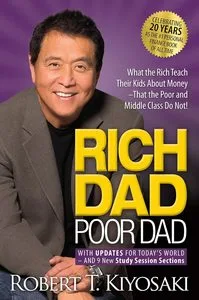
What if becoming wealthy has less to do with how much you earn—and more to do with how you think about money? In Rich Dad Poor Dad, Robert Kiyosaki shares the lessons he learned from two father figures with very different views on money, work, and investing. The book challenges familiar ideas about income, assets, liabilities, and financial education while exploring the difference between working for money and making money work for you. Through these contrasting perspectives, Kiyosaki encourages readers to rethink how they approach wealth and financial independence.
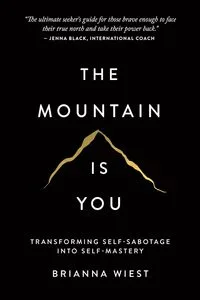
What if the habits holding you back are actually trying to protect you? In The Mountain Is You, Brianna Wiest explores self-sabotage through the conflict between conscious goals and unconscious needs. Rather than treating procrastination, anxiety, or recurring patterns as signs that something is wrong with you, she presents them as messages worth understanding. The book takes readers through observing their patterns, doing the difficult work of change, and building greater emotional awareness and self-mastery. It offers a thoughtful framework for understanding why we resist change—and how to move beyond those patterns.
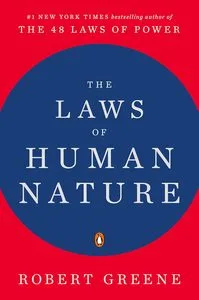
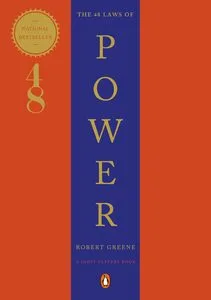
Power has its own rules—and understanding them can change how you see ambition, influence, and human behavior. In The 48 Laws of Power, Robert Greene and Joost Elffers distill thousands of years of history, philosophy, and political strategy into 48 principles drawn from figures such as Machiavelli, Sun Tzu, and Carl von Clausewitz, as well as influential leaders and performers throughout history. Some laws emphasize caution and restraint, while others advocate boldness, strategic thinking, and self-preservation. Provocative and unapologetic, the book examines the dynamics of power, whether you seek to understand, navigate, or protect yourself within them.
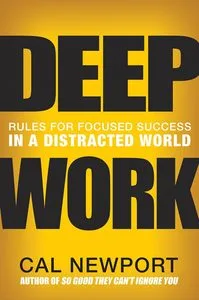
In a world filled with notifications, emails, social media, and endless distractions, the ability to truly focus has become increasingly rare—and valuable. In Deep Work, Cal Newport explores how sustained, distraction-free concentration can help you learn difficult things faster and produce better work in less time. Blending practical advice with cultural criticism, Newport presents four rules for developing deeper focus: work deeply, embrace boredom, quit social media, and reduce shallow tasks. The book offers a clear framework for reclaiming your attention and making focused work a central part of your life.
What if you’re capable of far more than you believe? In Can’t Hurt Me, David Goggins recounts his journey from a painful childhood marked by poverty and abuse to becoming a highly accomplished military figure and endurance athlete. Along the way, he reveals how self-discipline, mental toughness, and relentless effort helped him break through physical and mental limits. At the heart of his story is the 40% Rule—the idea that most people use only a fraction of their potential—and a challenge to confront fear, embrace discomfort, and discover what lies beyond your perceived limits.
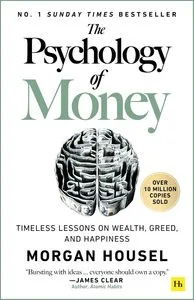
Money isn’t just about numbers—it’s about behavior, emotions, and the stories we tell ourselves. In The Psychology of Money, Morgan Housel explores the often surprising ways people think about wealth, investing, and financial decisions through 19 short, thought-provoking stories. Rather than treating money as a purely mathematical subject, Housel examines how personal experiences, ego, incentives, and our unique view of the world shape the choices we make. The result is a compelling look at why understanding ourselves may be just as important as understanding money.
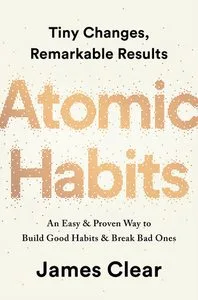
Small changes can create remarkable results. Atomic Habits offers a practical framework for building better habits, breaking bad ones, and turning tiny daily behaviors into lasting progress. Drawing on ideas from biology, psychology, and neuroscience, James Clear explains why lasting change depends less on motivation and more on the systems around you. From designing your environment to getting back on track after setbacks, this guide shows how small, consistent actions can reshape the way you approach goals, progress, and success.